
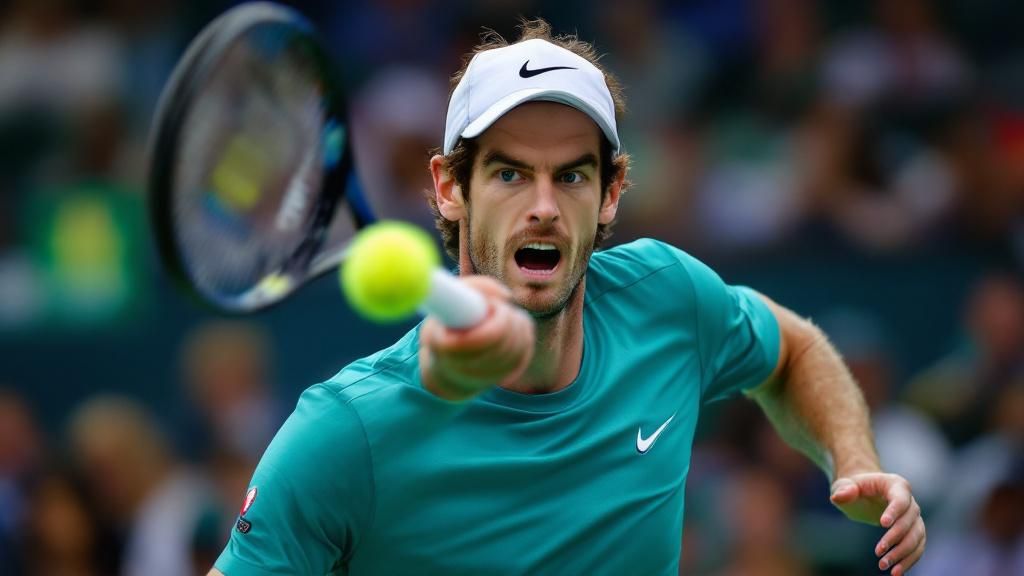
Andy Murray’s carefully orchestrated comeback to competitive tennis has created ripples across the British sporting establishment, signalling a potential renaissance for the nation’s most accomplished player. Following his career-threatening hip surgery, Murray’s strategic return to competition promises to reshape the state of British tennis, inspiring a new generation whilst reigniting hopes of more Grand Slam triumphs. This article examines how his disciplined method to competitive play is affecting developmental programmes, nurturing young players, and repositioning Britain as a formidable force in international tennis.
The Comeback Champion
Andy Murray’s re-entry into professional sport represents far more than a personal achievement; it embodies grit and resolve that echoes across British sport. After undergoing a potentially career-ending hip surgery, many wondered whether the thrice Grand Slam victor would ever compete at the highest level again. His choice to attempt a return, however, showcases resolute devotion to his sport and an unconquerable determination that has shaped his career. The sporting world observes with keen interest as Murray tackles this transformative period, proving that age and injury need not dictate an athlete’s path or sporting aspirations.
The significance of Murray’s strategic return extend well beyond his individual performance on court. His participation in professional tournaments energises British tennis, delivering a clear illustration of perseverance to emerging athletes dealing with their own difficulties. Moreover, his comeback narrative provides invaluable lessons in mental fortitude and athletic recuperation, establishing new benchmarks for career longevity. As Murray returns to competition, he at the same time coaches the next generation, forging a connection between established excellence and rising prospects that bolsters the whole British tennis landscape.
Influence on Tennis Development in Britain
Murray’s comeback to professional competition has generated significant momentum within UK tennis development. His involvement in premier competitions elevates the game’s standing domestically, drawing greater funding in youth development programmes and training facilities. The wider impact extend beyond professional ranks, inspiring local engagement and encouraging governing bodies to prioritise talent identification and nurturing pathways for up-and-coming British talent.
Coaching and Guidance
Beyond his on-court displays, Murray has taken on an growing significant mentoring role within the UK tennis sector. His willingness to share experience gained from performing at the highest level provides essential support to emerging talent charting their own professional paths. This informal coaching influence enhances formal structures, delivering useful knowledge into tournament preparation, psychological strength, and handling professional expectations.
Murray’s availability to up-and-coming athletes marks a shift away from traditional hierarchies in professional athletics. By working closely with promising young players, he shows dedication to the advancement of British tennis. His coaching role goes past purely technical training, covering career development, commercial arrangements, and mental approaches essential for maintaining sustained competitive performance at international level.
- Provides expert advice on tournament selection and planning
- Shares psychological strength methods built over professional journey
- Facilitates connections to coaching and support staff networks
- Demonstrates professional standards through consistent work ethic
- Encourages balanced approach between ambition and individual health
Performance Comparison and Rankings
Murray’s return to competitive play has exhibited considerable mental strength, with his results data revealing a athlete seeking to recapture his place within professional tennis’s upper echelon. Despite the inherent physical rigours of professional competition, his positional progression has progressively advanced, reflecting both his tactical expertise and emotional strength. His successes against recognised opponents have reignited discussions about his ability to compete for major titles, whilst simultaneously providing valuable data on his recovery progress and tournament fitness.
The deliberate strategy of Murray’s event choices has been crucial in overseeing his recovery whilst maintaining competitive edge. By carefully balancing elite-level events with sufficient rest intervals, he has enhanced his competitive progression without compromising lasting viability. His results have energised UK tennis fans and analysts alike, demonstrating that prior injuries and advancing years need not diminish a competitor’s drive or accomplishments at the top levels of professional sport.
Coming Prospects and Influence
Andy Murray’s deliberate re-entry to professional competition has substantially reshaped perceptions of what represents a thriving career in tennis. His measured approach illustrates that extended careers and focused competition can exist together bodily constraints, delivering valuable lessons to aspiring athletes worldwide. The ripple effects of his comeback go further than individual success; Murray’s presence on the circuit reinvigorates British tennis infrastructure, drawing investment and media attention once allocated to other areas. His impact on emerging talent demonstrates how experience and resilience transcend conventional career trajectories, establishing fresh standards for competitive determination.
Looking forward, Murray’s legacy will undoubtedly comprise more than tournament victories and ranking positions. His focus on nurturing emerging British talent has created a sustainable pathway for the next generation of competitors aiming for international success. By balancing competitive ambitions with developmental responsibilities, Murray has positioned himself as both active participant and custodian of British tennis’s future. This combined position bolsters the nation’s sporting framework whilst ensuring his substantial knowledge benefits the sport long after his final playing career, cementing his status as pivotal force within British sporting history.
